16 Day Great Gobi, Central Mongolia and North Mongolia tour.
This 16-day journey across Mongolia offers an unforgettable blend of natural beauty, cultural immersion, and adventure. Beginning near Ulaanbaatar, the tour explores the scenic landscapes of Gorkhi-Terelj National Park, where travelers visit iconic sites such as Turtle Rock, Zaisan Hill, and the world’s largest equestrian statue of Genghis Khan, while experiencing authentic nomadic life. The route continues south to the dramatic granite formations of Baga Gazriin Chuluu and the striking cliffs of Tsagaan Suvarga, before entering the vast Gobi Desert to discover Yolyn Am’s icy gorge and the towering Khongor Sand Dunes. Travelers then visit the historic ruins of Ongi Monastery and the ancient capital Karakorum, followed by the lush Orkhon Valley with its waterfalls and forested mountains. The adventure continues with horse trekking through the remote Eight Lakes region and a visit to Tövkhön Monastery, before heading to the volcanic landscapes of Terkhiin Tsagaan Lake and Khorgo Volcano. The journey then extends north to the pristine Lake Khövsgöl, known as the “Dark Blue Pearl,” offering breathtaking alpine scenery and horseback riding along its shores. On the return, travelers visit the peaceful Amarbayasgalant Monastery, one of Mongolia’s most beautiful and well-preserved monasteries, before concluding the tour back in Ulaanbaatar. Throughout the trip, guests enjoy a mix of camping, ger stays, and close interaction with nomadic families, making it a deeply immersive exploration of Mongolia’s landscapes, history, and traditional way of life.

| Destination |
Great Gobi and Khangai region on one tour. |
| Depature |
Yes Required |
| Departure Time |
09:00 AM |
| Return Time |
05:00 PM |
| Included |
- English, Korean, Japanese, Chinese and Russian Guide /selectable/
- Private Transport
- Entrance Fees listed destination
- Meals during the tour
- Accommodation during the tour.
|
| Excluded |
- Personal expenses
- Travel insurance
- Alcoholic and soft drink
- Optional activities not listed in the itinerary
|
 Travel With Bus |
Details
This 16-day Mongolia tour starts from Ulaanbaatar and takes you through diverse landscapes, including Gorkhi-Terelj National Park, the dramatic rocks of Baga Gazriin Chuluu, and the colorful cliffs of Tsagaan Suvarga. You will explore the vast Gobi Desert, visit Yolyn Am valley and the Khongor Sand Dunes, then continue to historic sites like Karakorum and the scenic Orkhon Valley. The journey includes horse trekking, visiting Tövkhön Monastery, relaxing at Terkhiin Tsagaan Lake, and reaching the pristine Lake Khövsgöl. The tour ends with a visit to Amarbayasgalant Monastery before returning to Ulaanbaatar, combining nature, culture, and nomadic experiences.
The tour starts Zaisan Hill Monument
Located in southern Ulaanbaatar, the Zaisan Memorial features the Mongolian Soyombo and Soviet Hammer and Sickle symbols, honoring Soviet soldiers. A scenic staircase and paved road lead visitors up the hill to the main monument, offering panoramic views of the city.
Terelj National Park
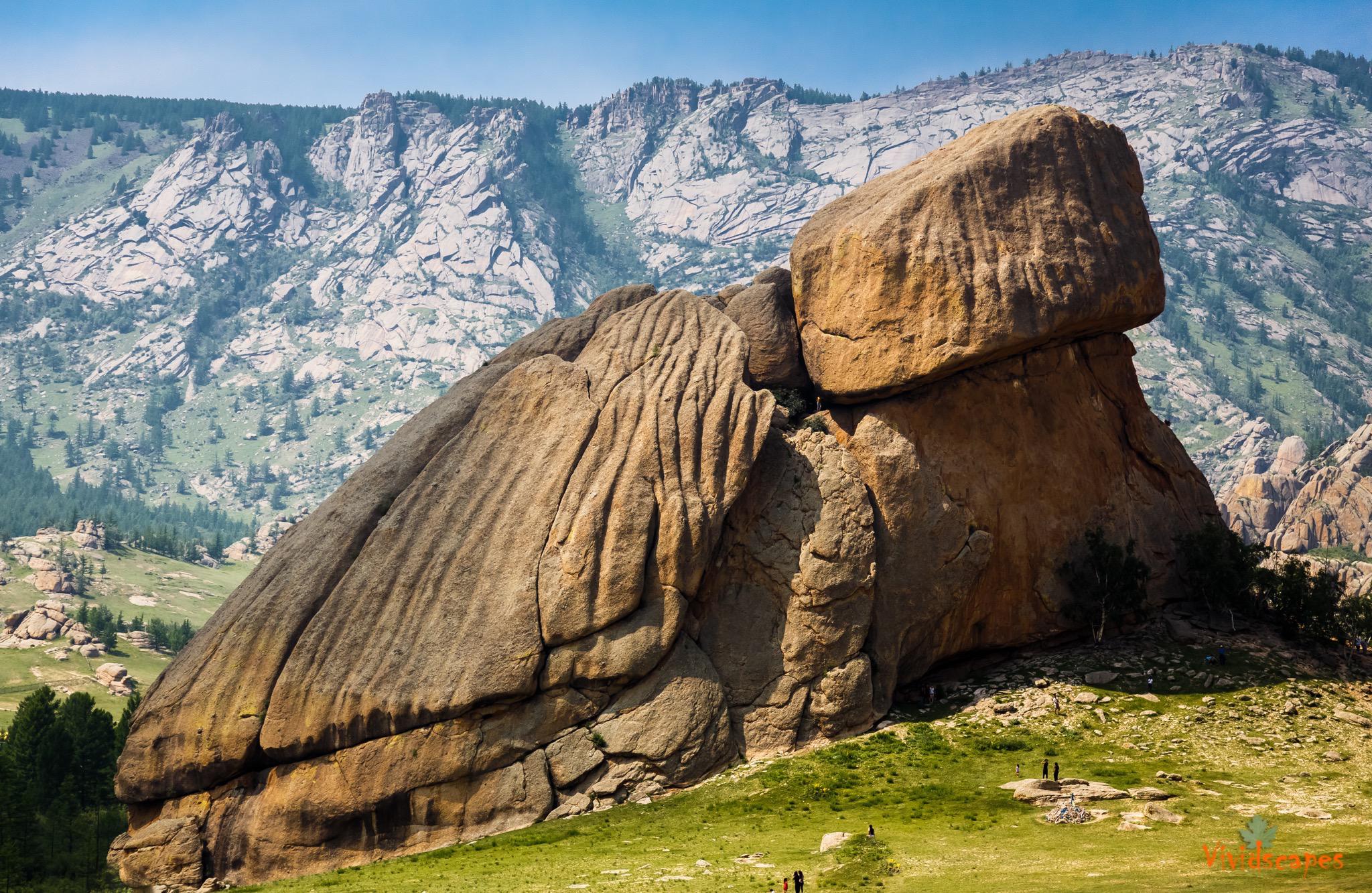
Gorkhi–Terelj National Park, located 60 km southeast of Ulaanbaatar (about a 1 to 2 hour drive), is the closest national park to the city. Highlights include Turtle Rock and the Aryabal Meditation Temple, set among scenic granite mountains, forests, and unique rock formations.
Chinggis Khaan Statue
The 40-meter-tall Chinggis Khaan Equestrian Statue, the world’s largest, located at Tsonjin Boldog. Made of stainless steel, it depicts Chinggis Khaan holding a golden whip and is surrounded by a cultural complex with panoramic views and a museum.
Baga Gazriin Chuluu
Baga Gazriin chuluu–located Dundgovi province and surrounded by plain. The highest one is 15 km long and 10 km wide granite stone-mountain elevated at 1768m above sea level. There are also over 20 kinds of medical herbs like burnet, many kinds of world rare animals like marmot, ibex and mountain sheep.–located Dundgovi province and surrounded by plain. The highest one is 15 km long and 10 km wide granite stone-mountain elevated at 1768m above sea level. There are also over 20 kinds of medical herbs like burnet, many kinds of world rare animals like marmot, ibex and mountain sheep.
White stupa /Tsagaan suvarga/
Drive to Tsagaan Suvarga, a spectacular natural formation in Ölziit soum, Dundgovi Province. Explore the steep, colorful cliffs formed from ancient lakebed sediments and shaped by wind and water over millions of years. Walk along the canyon edges, enjoy panoramic views, and take photos of the unique clay formations rising like towering walls.
Yol Canyon
A mountain gorge named after the Yol bird. 2800 meters above sea level. It is a narrow river gorge that flows through the Zuunsaikhan Mountain to the northeast. A small stream flows through the gorge and is covered with ice in winter. It used to be ice all year round. In some places where the eternal sun does not shine in the gorge, more than 1 meter of ice remains. In rainy years, 4 waterfalls flow from the top of the gorge. There are many cool places where the sun does not shine and a refreshing cold air penetrates through the gorge. The sky above the gorge is only a narrow blue strip. The cliff walls are up to 200 meters high and steep.
Khongor sand dune
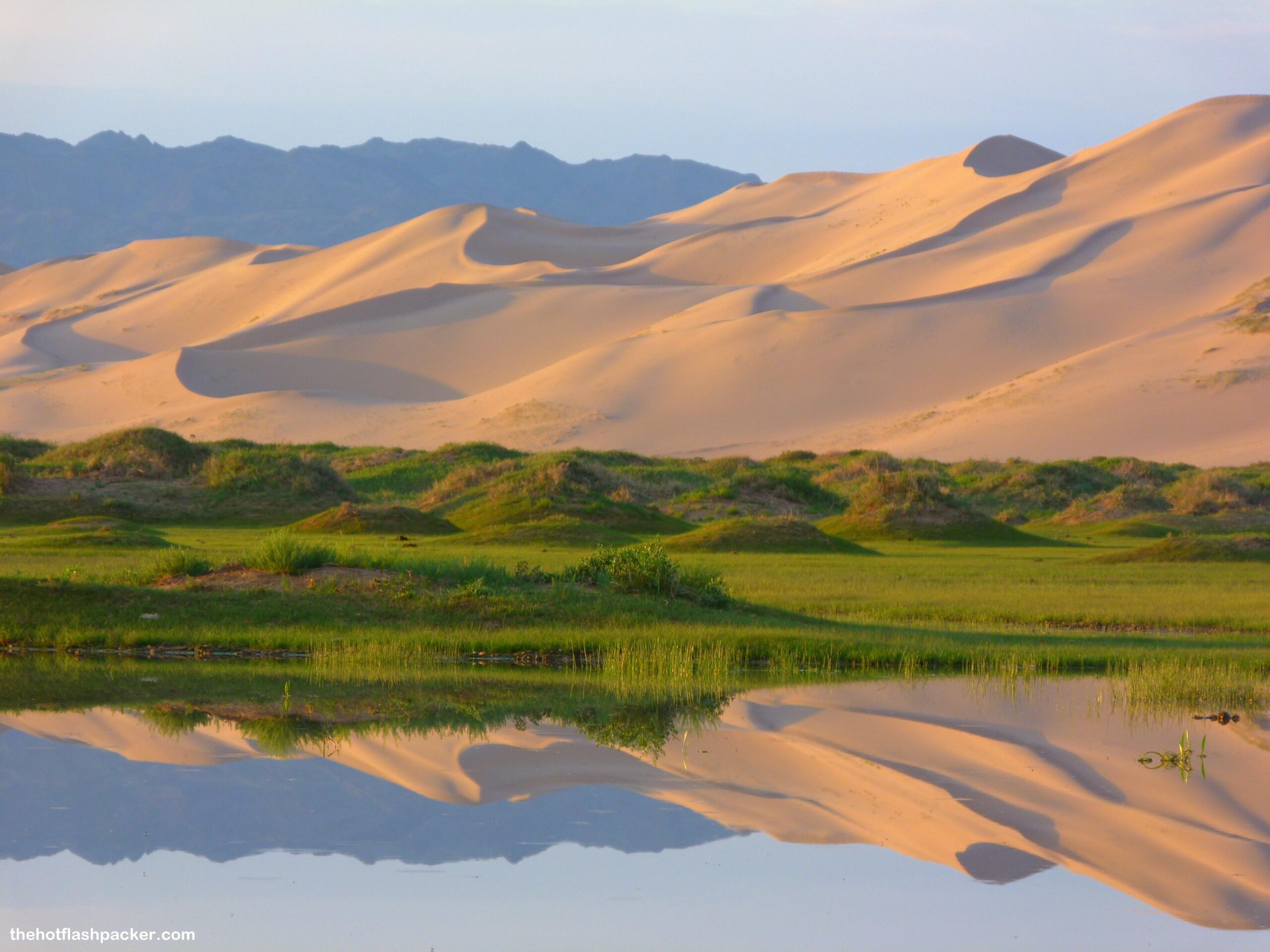
Khongoryn Els (Singing Sand Dunes) is a vast sand dune system located in Sevrei and Bayandalai soums of Ömnögovi Province, stretching about 180 km behind the Sevrei and Zuulun mountain ranges. Covering an area of 965 square kilometers, the dunes run from northwest to southeast, reaching 27 km wide at their broadest point and narrowing to 800 meters in the center.
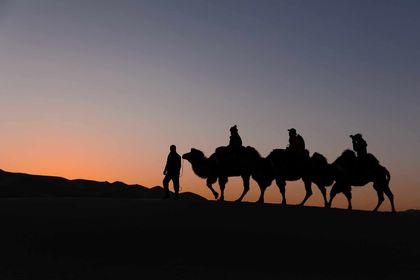
From the dune crests, endless waves of sand hills extend into the distance. The scenery is strikingly beautiful: rocky mountains to the south, towering sand dunes in the center, and a lush green oasis with a flowing river along the northern edge. Floodwaters from the Zuulun Mountains seep through the dunes and re-emerge as springs, forming the Khongor River, which flows westward along the edge of the sands. Here we have planned a camel ride for about an hour.
Bayan-Zag
LOCATION: 90 km northwest of the provincial capital Dalanzadgad and 17 km east of Bulgan soum in Umnugovi aimag.
The red sandstone cliffs and canyons of Galt Lhodo are one of the most famous paleontological sites in the world. The site was named after the American paleontologist Roy Chapman Andrews because of the striking orange color seen at sunset.
Among the many artifacts excavated here, Roy Chapman Andrews' discovery of the world's first dinosaur egg in 1922 made the site famous. Therefore, paleontologists assumed that dinosaurs gave birth to young.
Ongi Temple
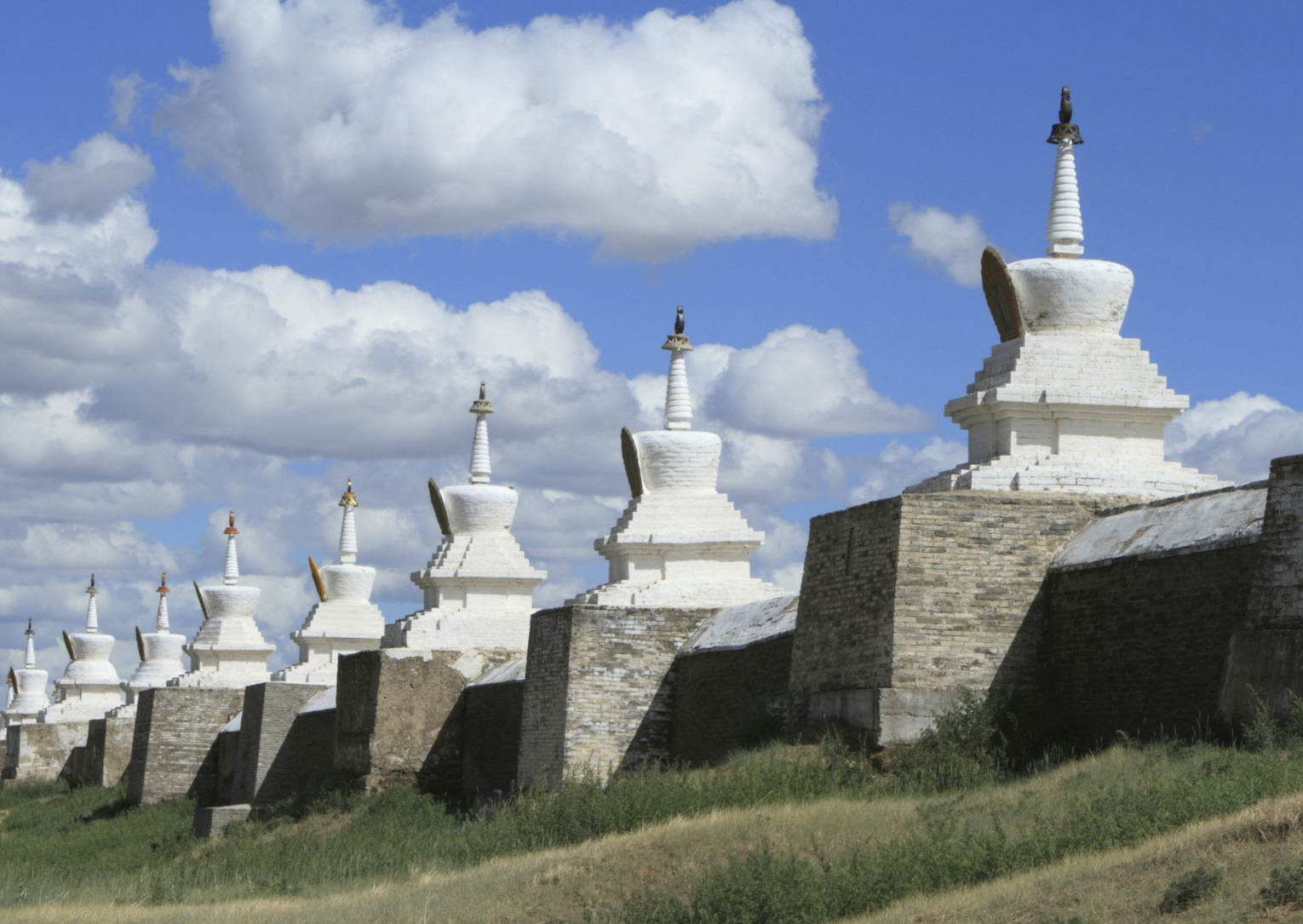
The ruins are located on the slopes of Saikhan-Ovoo Mountain, on the left bank of a beautiful bend of the Ongiin River in Saikhan-Ovoo soum, Dundgovi aimag. The Ongiin Monastery is called “Gundzhambaalin Monastery” in Tibetan, which means “Khotol Oglugch”. It was built by Khutagt Lama Ishdonylkhundev and his disciple Bar Lama Damtsagdorj between 1760 and 1810. At that time, there were 28 temples and shrines where more than 1,000 monks lived. 15 km from the monastery, along the banks of the Ongiin River, there was another monastery called “Khoshuu Khuralin Monastery”
Orkhon Water fall
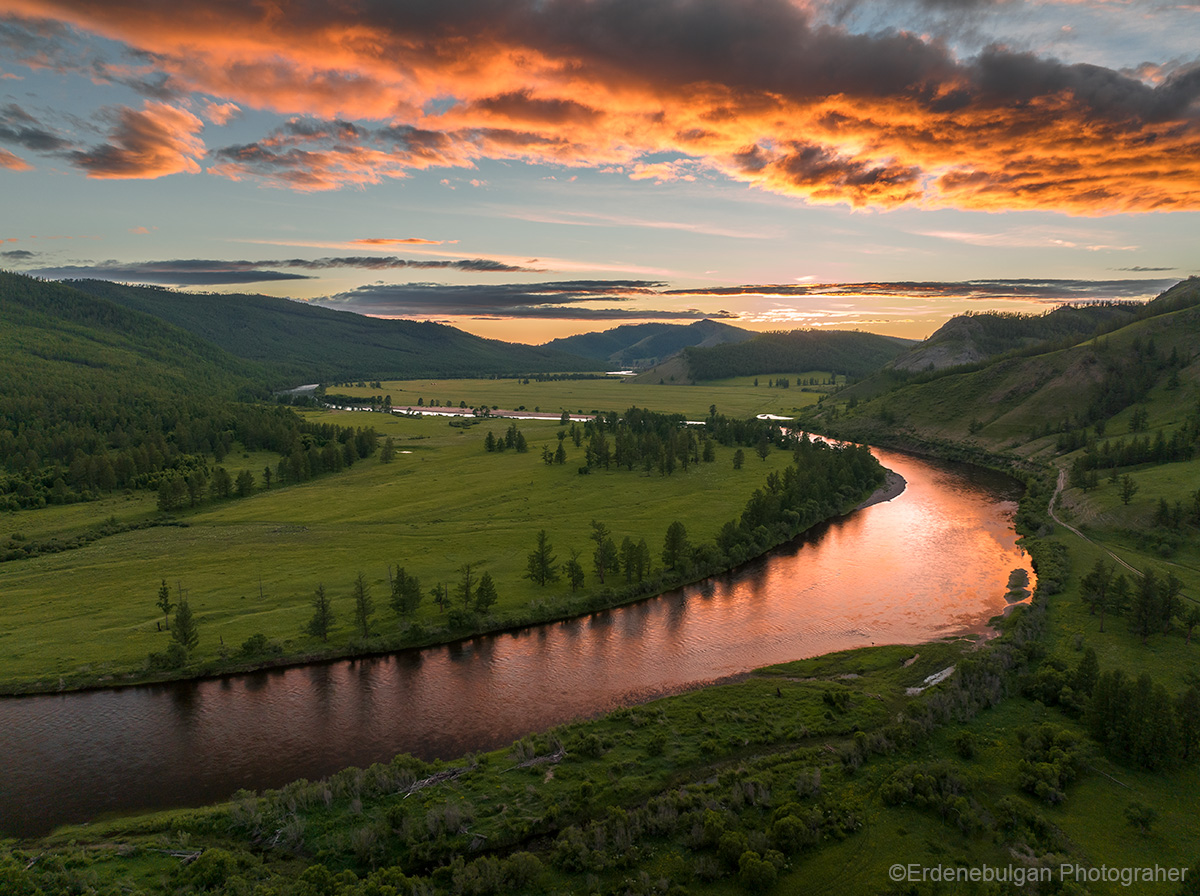
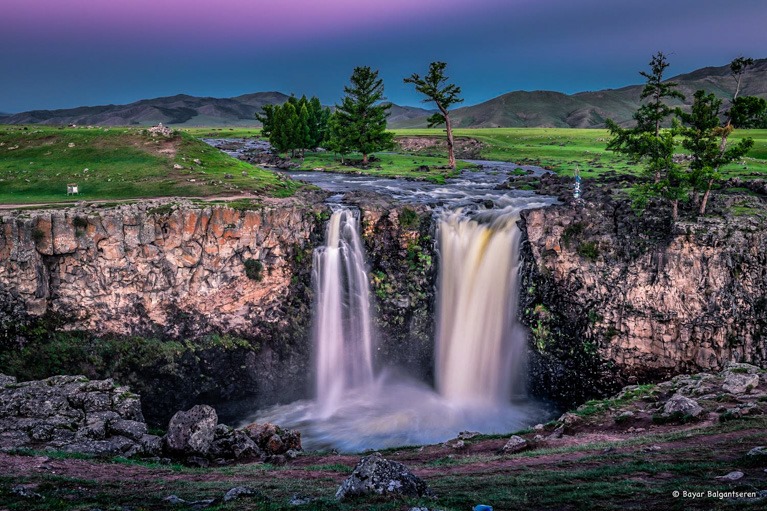
It is a 10-meter-wide waterfall that falls from a height of more than 20 meters on the Ulaan River, which flows into the western part of the Orkhon River, 132 km from the city of Kharkhorin in Uvurkhangai aimag. The Orkhon River flows through volcanic chert for 130 kilometers from the Gyatruun Range to Kharkhorin Sum. During the Quaternary period, a volcano erupted at the head of the Tsagaan Azarga River, which originates from the Khangai Range, and its hot molten material flowed down the Orkhon Valley, forming a thick chert layer several tens of kilometers thick.
Tuvkhun Temple
Tuvkhun Monastery is located on a rocky mountain peak surrounded by dense forests, on the border of Uvurkhangai and Arkhangai provinces, about 40 km from Khujirt soum and 50 km from Bat-Ulziit soum. Visitors hike approximately 5 km uphill from the mountain base to reach the monastery.
Founded in 1651 by Zanabazar, the first Bogd of Mongolia, who chose this peaceful and scenic location for meditation at the age of 14, the monastery originally began as a small stone meditation retreat. Today, the site is known for its spiritual significance, panoramic mountain views, and tranquil natural surroundings.
Tsenkher Hot Springs
Tsenkher Hot Spring (Цэнхэр халуун рашаан)
Visit Tsenkher Hot Spring in Arkhangai Province, located at 1,850 m above sea level. The mineral hot spring reaches temperatures of up to 86°C and is the second hottest hot spring in Mongolia.
Overnight stay at a tourist camp with outdoor pools supplied by natural hot spring water. Enjoy a relaxing bath surrounded by beautiful mountains and steppe scenery.
Located in the heart of the Khangai Mountains, Terkhiin Tsagaan Lake is one of Mongolia’s most scenic freshwater lakes, surrounded by volcanic landscapes and rich natural beauty. Situated about 670 km from Ulaanbaatar, this stunning destination lies within Khorgo-Terkhiin Tsagaan Nuur National Park and offers a peaceful retreat into nature. Near the eastern shore rises the extinct Khorgo Volcano, where visitors can hike to the crater and enjoy panoramic views of the lake and surrounding mountains. Fed by several rivers and giving rise to the Suman River, the lake is ideal for relaxing activities such as fishing, hiking, and horseback riding along its shores. This area provides a perfect combination of volcanic terrain, alpine scenery, and nomadic culture, making it a highlight of any Central Mongolia itinerary. We have driven for 9 full days to reach here. We will stay for 2 nights, another day for relax, hiking and exploring the surrounding area.
Shine-Ider is a peaceful rural district located on the way to northern Mongolia and serves as an ideal stopover during the journey to Lake Khövsgöl. Covering a vast area of pastureland, this region is home to traditional nomadic herders and offers an authentic glimpse into Mongolian countryside life. The small settlement of Erdenet, the sum center, lies about 839 km from Ulaanbaatar and provides a quiet resting point after a long drive. During the tour, travelers will stay with a local nomadic family, experience their daily lifestyle, and enjoy the serene natural surroundings of rolling steppe and open landscapes, making it a relaxing and culturally rich part of the itinerary before continuing north.
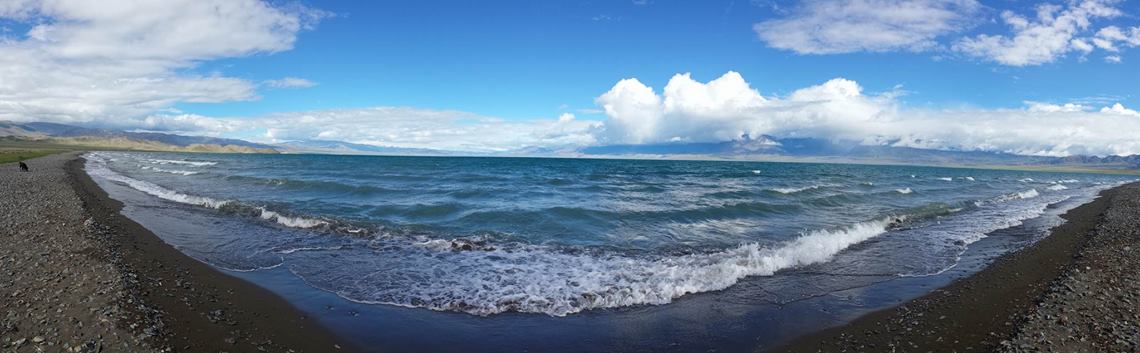
Lake Khövsgöl, known as the “Mother Sea” of Mongolia, is one of the country’s most spectacular natural highlights and a key destination on this tour. Located near the Russian border at the foot of the Sayan Mountains, this pristine alpine lake sits at 1,645 meters above sea level and contains nearly 70% of Mongolia’s fresh water. Surrounded by dense Siberian larch forests and dramatic mountain ranges, the area offers breathtaking scenery and a peaceful atmosphere. During the tour, travelers will enjoy relaxing by the lakeshore, hiking through the taiga landscape, and experiencing local nomadic life near the small lakeside town of Hatgal. The lake’s crystal-clear waters, rich ecosystem, and untouched wilderness make it an unforgettable highlight of Northern Mongolia. We will stay for 2 nights, another day for relax, hiking and exploring the surrounding area.
After breakfast, we depart from Khuvsgul Lake and begin our scenic journey toward Bulgan province. Along the way, you will experience Mongolia’s vast landscapes, passing through open steppe, forested hills, and traditional nomadic areas.
In the afternoon, we arrive at Uran Togoo Tulga Uul Natural Monument, home to the extinct Uran Togoo Volcano. This unique volcanic formation is famous for its perfectly shaped circular crater, offering a striking example of Mongolia’s natural beauty.
We will hike to the crater rim, where you can enjoy panoramic views of the surrounding volcanic field, including nearby extinct volcanoes such as Tulga and Togoo. Adventurous travelers may descend into the crater to see the small crater lake, creating a peaceful and picturesque atmosphere.
After breakfast, we depart from Uran Togoo Tulga Uul Natural Monument and continue our journey north toward Selenge Province.
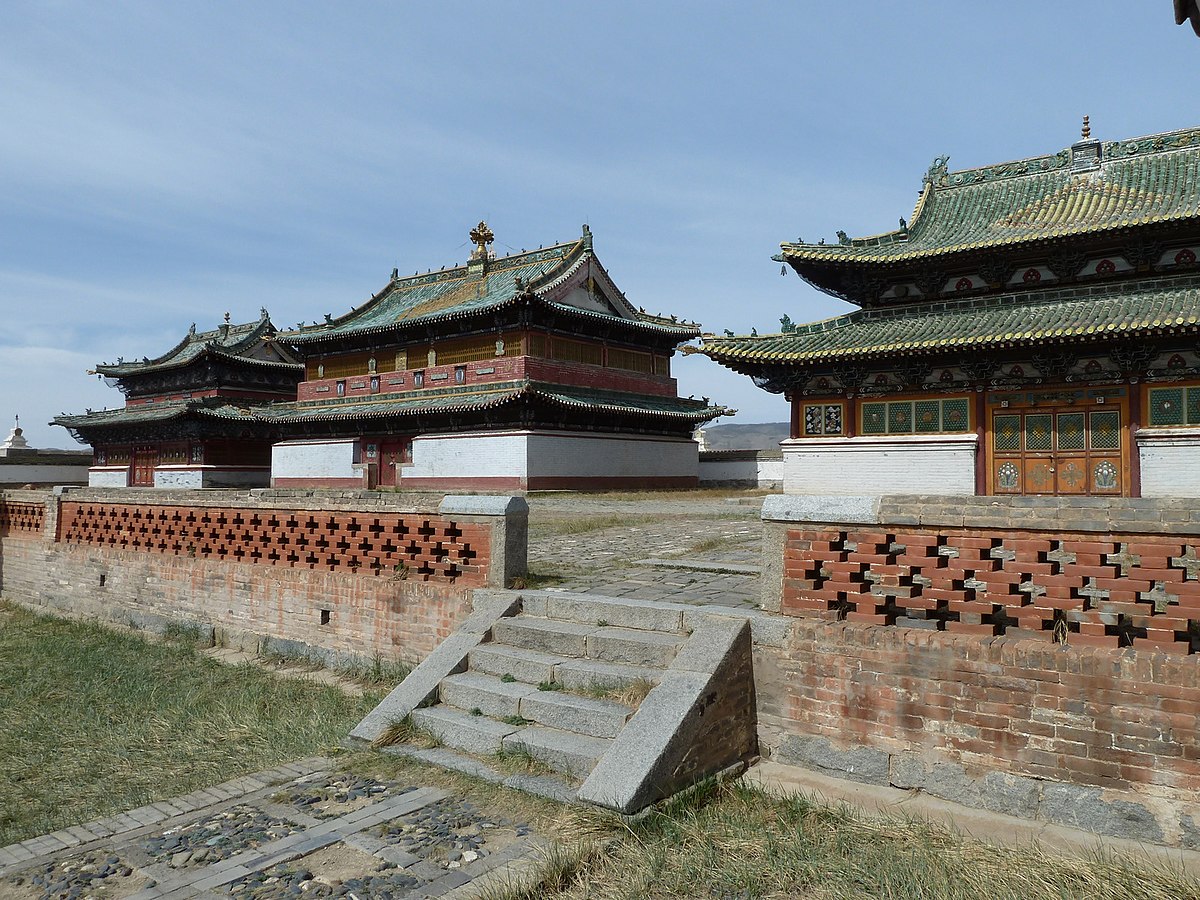
By afternoon, we arrive at the magnificent Amarbayasgalant Monastery, one of the largest and most important Buddhist monasteries in Mongolia. Nestled in the scenic Iven Valley near the Selenge River and at the foot of Mount Büren-Khaan, the monastery is surrounded by peaceful landscapes of rolling hills and forested mountains.
Built between 1727 and 1736 under the order of the Yongzheng Emperor and later completed during the reign of the Qianlong Emperor, the monastery was constructed to honor and serve as the resting place of Zanabazar, Mongolia’s first spiritual leader of Tibetan Buddhism.
We will explore the monastery complex, known for its unique blend of Mongolian, Tibetan, and Chinese architectural styles. Visitors can walk through the beautifully preserved temples, admire intricate carvings and artwork, and experience the tranquil spiritual atmosphere.
Aglag Creation Temple
Upon arrival, we will see the colorful blue, white, and orange stupas symbolizing the three Root Deities of Mongolian Buddhism—Ochirvaani, Janraisag, and Manzushir. From the base, we begin a short hike along a mountain trail leading to the temple.
Along the way, admire unique rock formations and stone carvings shaped like animals and symbolic figures from Buddhist legends. Enjoy the peaceful atmosphere, natural surroundings, and spiritual ambiance at the temple.



Write Your Review